

Discovery
When we took over the Circulus Wine vineyard, some areas, especially Block 8, half-planted to Shiraz twenty years ago, were in poor condition.
This part of the vineyard seemed a lost cause. Grazing cattle and sheep had damaged the vines. The soil was bare. Few original vines looked alive. Experts and friends agreed: grub it out. This patch felt more like a graveyard than a vineyard
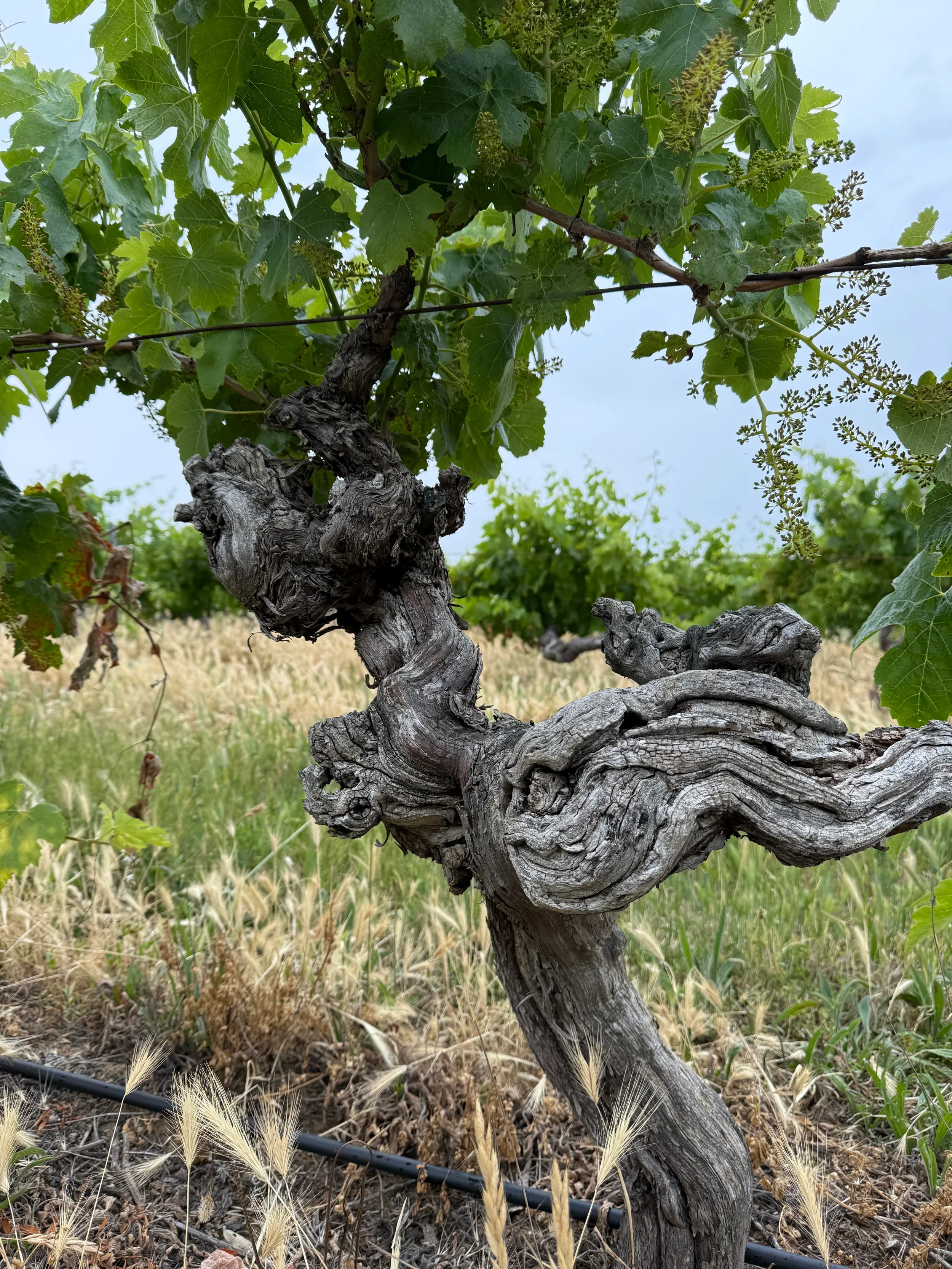
Early in our restoration, as we cleared old wood, we spotted a vine tag twisted deep inside a guard in what we thought was a lost vine. That small tag still legible, still clinging on, told us the vine's story wasn't finished.
To our surprise and delight, the tag read “Best’s Old Block.” We learned that our Block 8 descended from Shiraz royalty: cuttings from the famed Best’s Old Block, or Concongella clone, of Great Western, Victoria. The region is renowned for old vineyards and the iconic Bin 0 and Thomson Family Shiraz. This style emphasises purity, elegance, and concentration, rather than overt power. The clone is prized for its concentrated dark fruits, warm spice, black olive, floral lift, and fine-grained tannins.
Legacy
That tag carried more history than we first understood. The vine material originates from some of the oldest Shiraz vines planted by Henry Best in 1868, and it is recognised by CSIRO as the "Concongella clone" or "Best's Old Block clone." The cuttings planted next to Concongella Creek in 1868, recorded simply as "Hermitage" in his journal, survived because Australia's Great Western region remained phylloxera-free. These vines still grow on their own roots today, over 157 years later, making them among the oldest Shiraz vines in the world.
The Concongella Clone's legacy is among the most profound in Australian winemaking history. It represents a living link to vines that survived phylloxera's near-total destruction of the world's vineyards and continues to define what great Australian Shiraz can be.
With this heritage in mind and knowing what these vines had already survived, walking away was never an option.
Resurrecting the block required more than optimism. In 2021, we started with bare wires and patchy vines. Over the years, we carefully rebuilt. Now, survivors and 'resurrection' vines cover the trellising, forming a green tapestry where brown once dominated. Their roots run deep, drawing on their dry-grown heritage and resilience. Tending these vines always reminds me of their rarity and my responsibility. Their fruit is celebrated, adding to that sense of duty.
“Resurrection”
The recovery of Block 8 came in stages - infrastructure first, then soil, then life.
The irrigation system had long since failed, leaving the block to fend for itself. Last year, after renovating the old lines, we rebuilt it from scratch with new dripline.
Alongside this, we applied compost to the block for the first time, and the response in canopy and root health was almost immediate. Between the rows, we seeded legumes and grasses - fixing nitrogen, holding soil, and slowly coaxing life back into what had been bare earth.
Our focus is regenerative: minimal synthetic inputs, compost-fed soils, and deep-rooted vines that find their own way. A healthier soil means a more expressive wine and a vineyard that tells the truth about where it grows. It often deepens fruit intensity, aromatics, and subtle earth-driven notes that reflect where they grow. The vineyard becomes more resilient each season, with the wine telling the story of its restored landscape.
Last year, Kim and I visited Ben Thomson, 5th-generation vigneron at Bests, who walked us through the original 1868 vineyard and kindly gave us a masterclass in caring for these heritage vines and in his approach to making great wine. We’ve adopted all his recommendations.
The Western Flop
Walking those 1868 rows with Ben, one piece of advice stood out above all others - allowing the western side of the canopy to 'flop' naturally. We adopted this creating a protective umbrella that shades the fruit from the harsh afternoon sun. This simple, low-cost practice prevents sunburn and the resulting jammy, stewed fruit characters. It allows us to maintain freshness even as daytime temperatures climb.
Vibrancy over Power
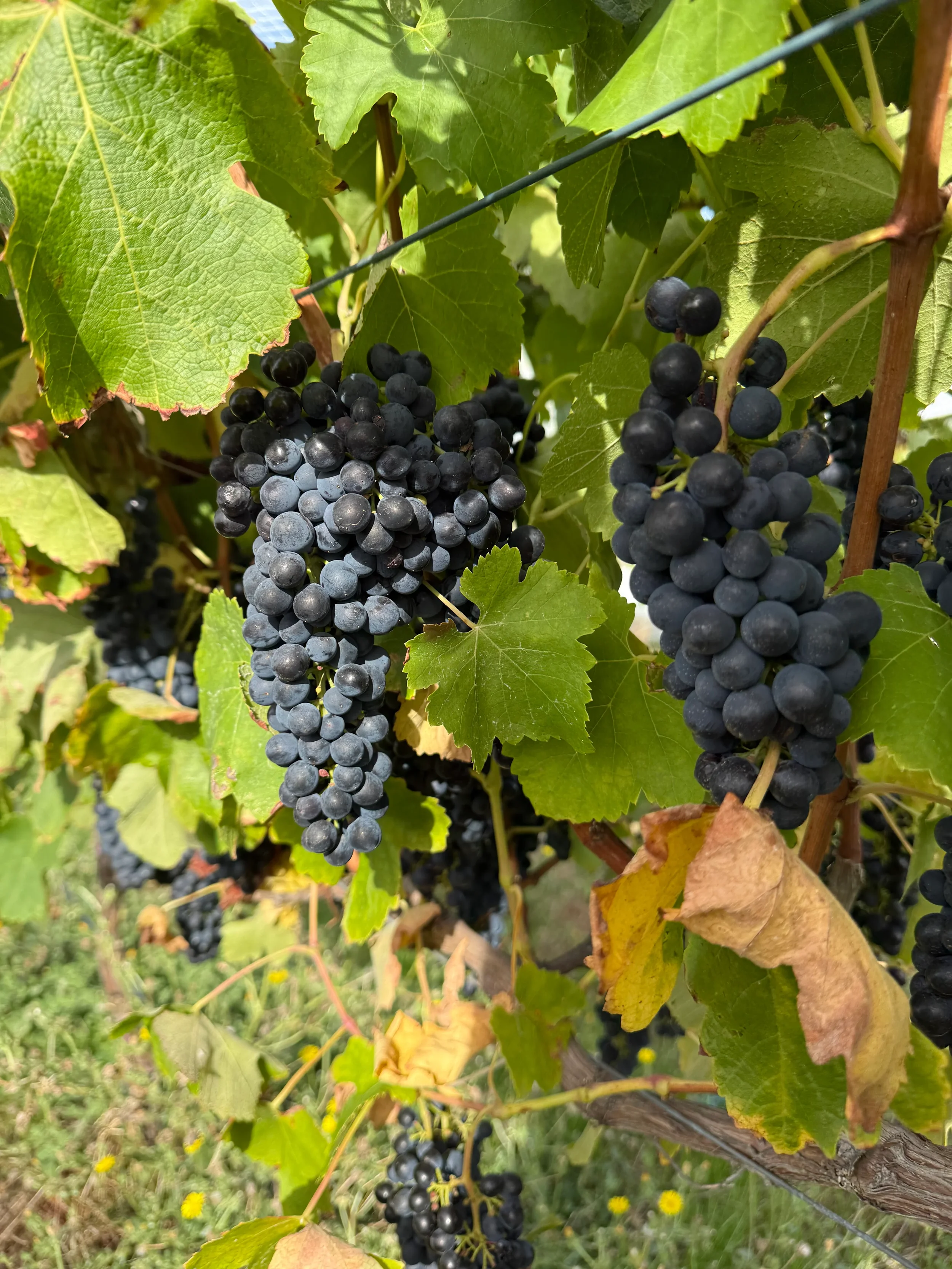
Ben also suggested picking on the way to peak ripeness, not past it - capturing those lifted violet aromas and the Rotundone compounds responsible for the white pepper signature of great cool-climate Syrah.
Next year, we’ll convert to cane pruning after walking the vines with Ben. The current spur pruning system is tired; cane pruning will ensure even shoots and make “flop” easier, so bunches ripen uniformly.
Single Block Release
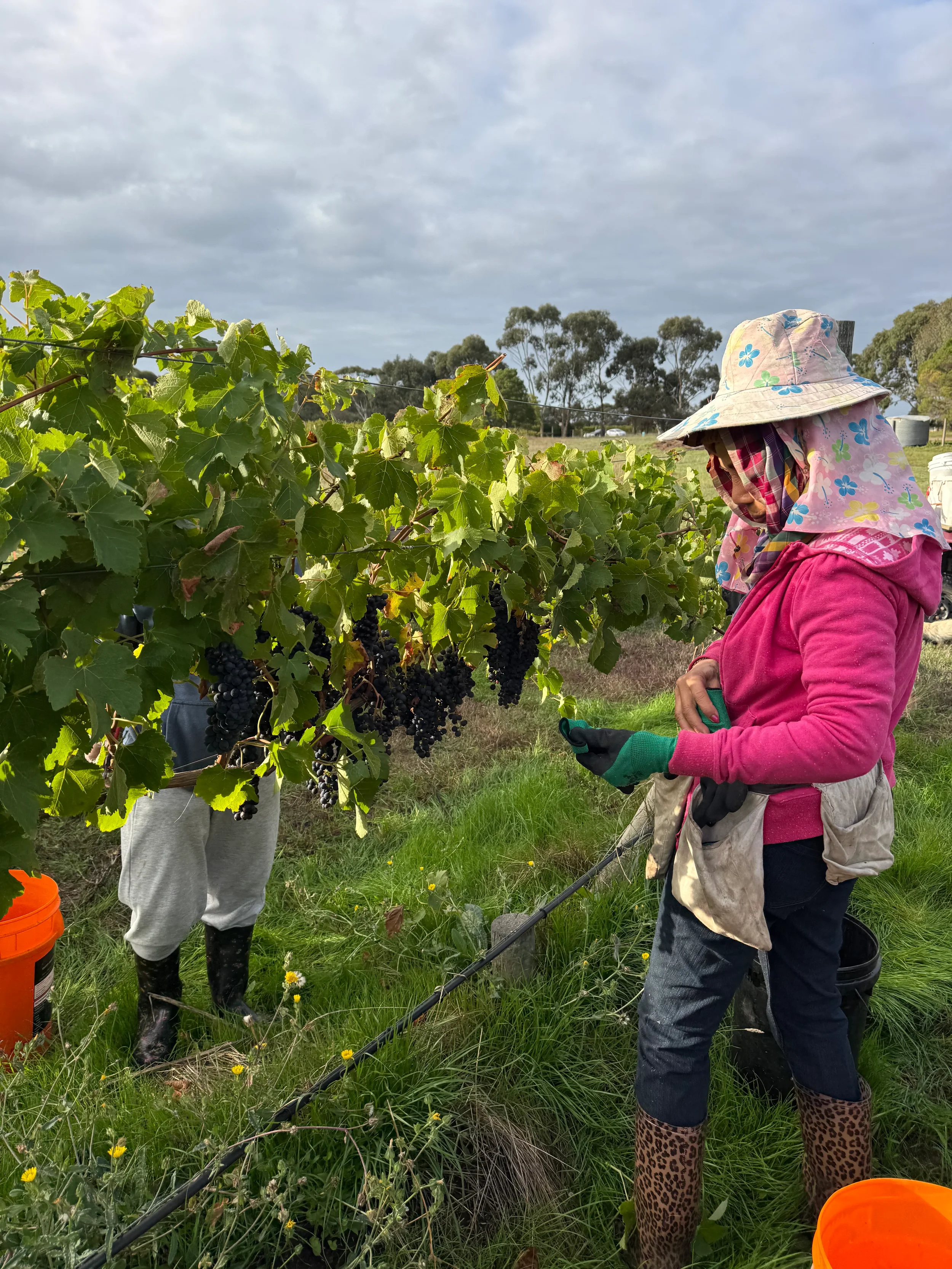
Five years ago, experts told us to grub it out. In 2026, Block 8 gave us 1.5 tonnes of something genuinely extraordinary and enough to produce a single block 'Resurrection' Syrah.
The fruit, when picked, already feels medium-bodied and spicy, rather than hot and heavy. It’s elegant, reminiscent of the Northern Rhône, with a freshness that defies the warmer growing season.
This release will celebrate what Best’s heritage and Bellarine terroir can achieve.
For visitors or those following online, Block 8 tells a story of perseverance and regeneration, a small block with a big purpose on the Bellarine. The 'Resurrection' Syrah will be available to taste from 2027, and we'd love you to see Block 8 for yourself.